Suburbanisation, household formation and intergenerational wealth transfer will provide long-term structural support.
Growing suburban consumer belts
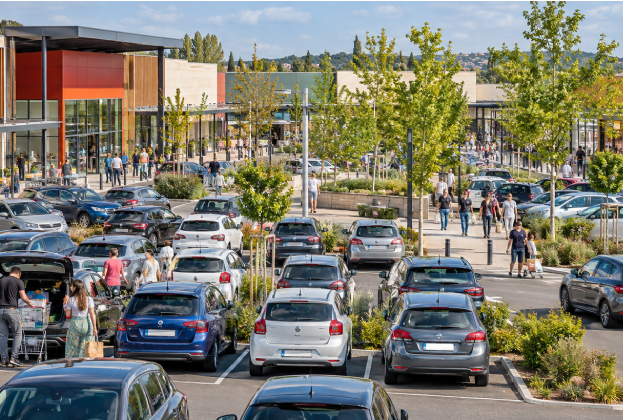
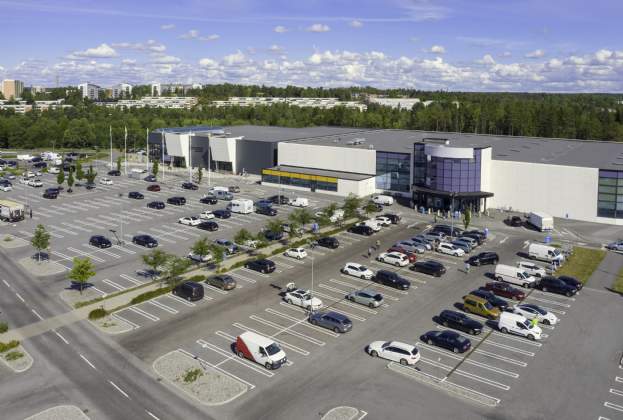
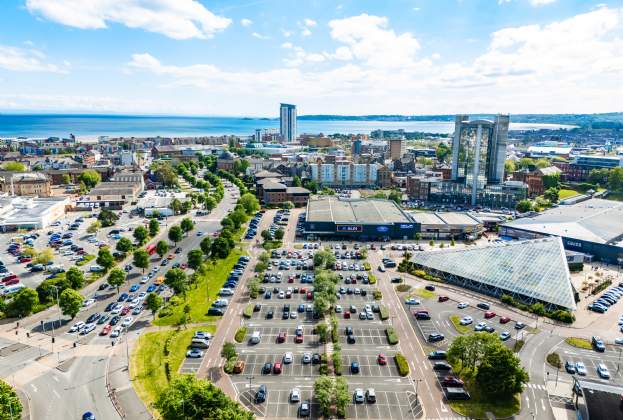
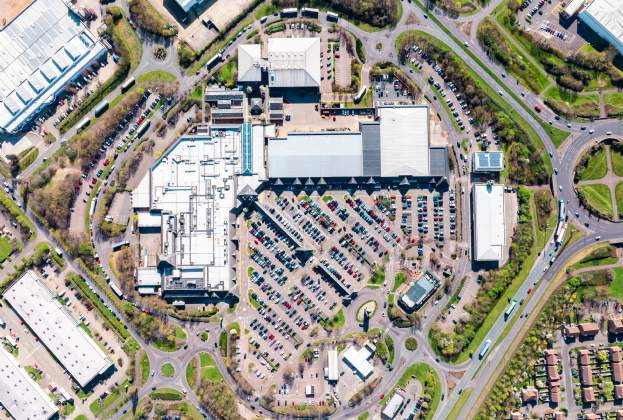
Since 2015, population growth in cities such as Paris, London, Rome and Warsaw has favoured suburban and commuter catchments over urban cores (Figure 8). A growing share of consumers now live, work and spend time in these suburban belts. Weekly grocery shopping, click-and-collect and everyday services all lend themselves to accessible, car-oriented locations, while hybrid working has increased the amount of time many consumers spend closer to home. In effect, population growth is occurring precisely where retail parks are best positioned to capture convenience-led and routine spending.
Structural support for home-related spending
The demographic story extends beyond proximity-based convenience. Broader demographic tailwinds also appear favourable for many of the home-related categories that distinguish retail warehouses and parks from other formats. By 2030, an estimated €3.5 trillion of wealth is expected to transfer between generations across Europe. Much of that wealth is tied to residential property. Whether retained, sold or inherited, a substantial volume of housing stock will require refurbishment, renovation or modernisation. This should support demand for DIY products, furniture, home furnishings and other categories that remain heavily represented in out-of-town assets.
Rising single-person households
Meanwhile, almost one in three Europeans now lives alone and, while total population is projected to decline marginally by 2040, the number of households is expected to rise by more than 4% (Figure 9). Demand for furniture, appliances and household goods is determined by homes as much as people. As household sizes shrink, household formation should sustain future spending in these categories. For all the discourse around discount retailing, convenience and recurring-visit categories, the traditional bulky-goods categories that helped shape the sector still have plenty of runway.
In aggregate, structural demographic change depicts a consumer whose time, money and attention are gravitating towards the home. Much of that expenditure aligns naturally with the catchments and typical occupier profile of retail warehousing.
Convenience without the car: extending the retail-park proposition
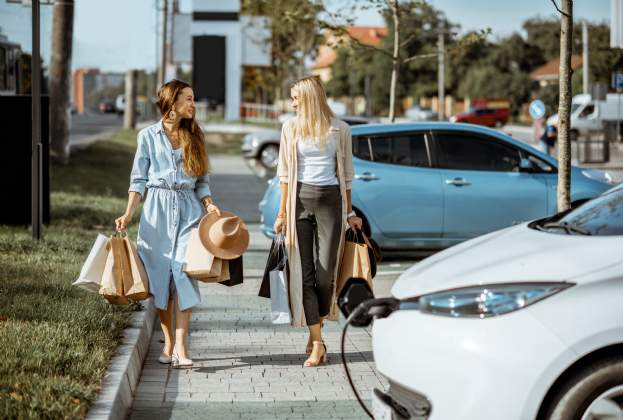
Convenience and accessibility are not always the same thing. Out-of-town retail excels at accommodating planned shopping trips, click and collect, fulfilment and returns, but a car-oriented nature can limit exposure to younger and more urban consumers.
Some retailers are responding with a hub-and-spoke approach. Smaller city-centre showrooms, collection points and urban formats extend brand reach into dense catchments, while larger out-of-town stores continue to do the heavy lifting on range, stockholding and fulfilment. IKEA's urban formats in Sweden and, more recently, its Oxford Street store in London illustrate the idea. In France, retailers traditionally associated with out-of-town locations, such as Maxi Zoo and Decathlon, are also experimenting with urban concepts.
The logic is complementary, allowing retailers to broaden customer reach: smaller urban stores bring brands closer to younger consumers they may otherwise alienate, while big boxes remain the operational backbone.
Read the other articles within European Retail Warehousing below